Cve20207796 Zimbra Collaboration Suite Full _hot_ [TRUSTED]

Managing your vehicle and mileage has never been this simple.

app store download button, simply auto download button ios google download button, simply auto download button
cve20207796 zimbra collaboration suite full

Downloads

0.7 Million

cve20207796 zimbra collaboration suite full

FILL-UPS RECORDED

4 Million

cve20207796 zimbra collaboration suite full

VEHICLES TRACKED

250,000 +

cve20207796 zimbra collaboration suite full

MILES LOGGED

1.8 Billion

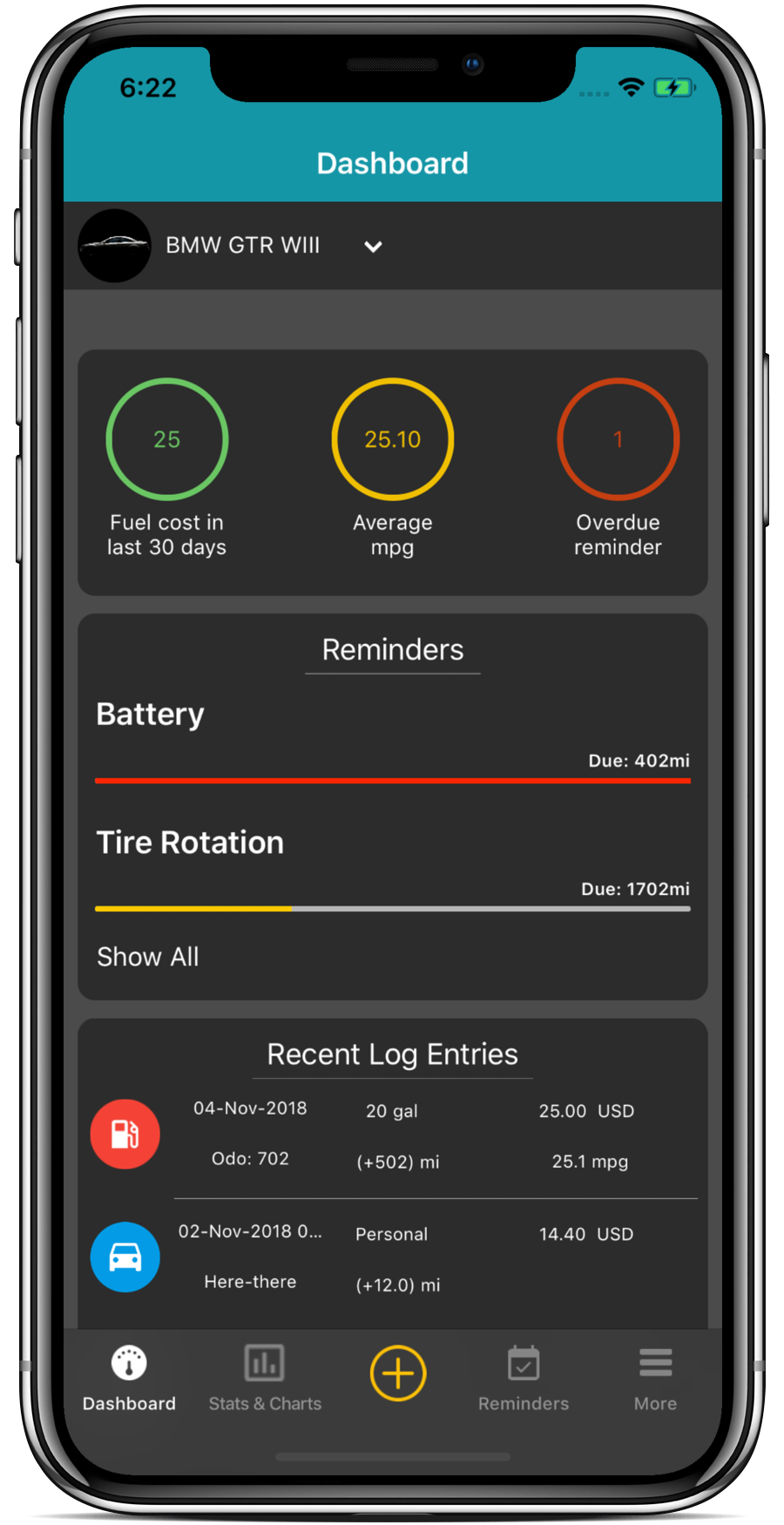
iphone mockup

App Features

fuel station icon, fuel pump
FILL-UPS

Record fill-ups for all your cars and monitor your car’s efficiency.

automatic mileage tracking icon
AUTOMATIC MILEAGE RECORDING

Need to track business mileage? Just start auto trip and we will track all your trips in the background whenever you are on the move.

maintenance icon, reparing icon, service icon
SERVICE REMINDERS

Don’t lose sight of your maintenance and services. Log your services and we will remind you when its due.

dollor icon
CONTROL YOUR EXPENSES

Know your vehicle's running costs and plan for your expenses.

cloud backup icon
SECURE CLOUD BACK-UP

Sign into the cloud and get easy access to all your data from anywhere and any device.

analysis icon
SCHEDULE REPORT

Run your reports or schedule them weekly or monthly to know more about your fill-ups , mileage and expenses.

Cve20207796 Zimbra Collaboration Suite Full _hot_ [TRUSTED]

| CVE | Type | Auth Required | Impact | |-----|------|---------------|--------| | CVE-2020-27988 | Path traversal to mail read | No | Unauthenticated mail fetch | | CVE-2020-28016 | SSRF via proxy | No | Internal port scanning, limited info leak | | | RCE via extension/proxy | No | Full system compromise |

https://zimbra.example.com/proxy?file=/some/localfile.txt The servlet is supposed to restrict paths to within the Zimbra installation directory. However, due to insufficient sanitization, an attacker could supply a path with directory traversal ( ../ ) or inject command delimiters. The critical oversight: The servlet endpoint that allows proxying to internal services (like the mailboxd admin port on localhost) did not enforce authentication. Even worse, certain endpoints of the servlet allowed execution of system commands via the Command or Extension functionality. cve20207796 zimbra collaboration suite full

The flaw resides in how the servlet validates (or fails to validate) the file parameter. In a typical request: | CVE | Type | Auth Required |

POST /service/extension/UserServlet HTTP/1.1 Host: target.zimbra.com Content-Type: application/x-www-form-urlencoded file=../../../../../../../../opt/zimbra/bin/zmcontrol&cmd=status&ext=foo Even worse, certain endpoints of the servlet allowed

This article provides a technical deep dive into the mechanics of CVE-2020-27996, how it differs from similar CVEs, proof-of-concept (PoC) analysis, and post-exploitation impact, as well as remediation strategies. | Attribute | Details | |-----------|---------| | CVE ID | CVE-2020-27996 | | Affected Product | Zimbra Collaboration Suite (ZCS) | | Affected Versions | 8.8.15 prior to Patch 11, 9.0.0 prior to Patch 5 | | Component | Proxy Servlet / UserServlet | | Attack Vector | Network / HTTP | | Authentication | None required (Pre-auth RCE) | | CVSS v3 Score | 9.8 (Critical) | | Disclosure Date | November 2020 | | Exploit Maturity | Public PoC available within days of patch | What makes it "Full" RCE? Unlike many vulnerabilities that yield limited access (e.g., file read only, or authenticated RCE), CVE-2020-27996 allows an unauthenticated remote attacker to execute arbitrary system commands with the privileges of the Zimbra service user (typically zimbra ). This is the equivalent of handing over the keys to the kingdom. 2. Root Cause Analysis – The Anatomy of the Flaw To understand CVE-2020-27996, one must first understand how Zimbra handles proxy requests and session management. The Extension Mechanism Zimbra allows extensions and custom handlers via Java servlets. One such servlet is the UserServlet (or ProxyServlet ), which is designed to fetch resources on behalf of a user. This servlet accepts parameters that specify the target URL or resource path.

Introduction In the landscape of enterprise email and collaboration tools, Zimbra Collaboration Suite (ZCS) has long been a favorite for organizations seeking an alternative to Microsoft Exchange. Its robust feature set, open-source core, and scalability make it a prime target for nation-state actors and ransomware gangs alike.


We are Loved by Businesses too!

cve20207796 zimbra collaboration suite full

| CVE | Type | Auth Required | Impact | |-----|------|---------------|--------| | CVE-2020-27988 | Path traversal to mail read | No | Unauthenticated mail fetch | | CVE-2020-28016 | SSRF via proxy | No | Internal port scanning, limited info leak | | | RCE via extension/proxy | No | Full system compromise |

https://zimbra.example.com/proxy?file=/some/localfile.txt The servlet is supposed to restrict paths to within the Zimbra installation directory. However, due to insufficient sanitization, an attacker could supply a path with directory traversal ( ../ ) or inject command delimiters. The critical oversight: The servlet endpoint that allows proxying to internal services (like the mailboxd admin port on localhost) did not enforce authentication. Even worse, certain endpoints of the servlet allowed execution of system commands via the Command or Extension functionality.

The flaw resides in how the servlet validates (or fails to validate) the file parameter. In a typical request:

POST /service/extension/UserServlet HTTP/1.1 Host: target.zimbra.com Content-Type: application/x-www-form-urlencoded file=../../../../../../../../opt/zimbra/bin/zmcontrol&cmd=status&ext=foo

This article provides a technical deep dive into the mechanics of CVE-2020-27996, how it differs from similar CVEs, proof-of-concept (PoC) analysis, and post-exploitation impact, as well as remediation strategies. | Attribute | Details | |-----------|---------| | CVE ID | CVE-2020-27996 | | Affected Product | Zimbra Collaboration Suite (ZCS) | | Affected Versions | 8.8.15 prior to Patch 11, 9.0.0 prior to Patch 5 | | Component | Proxy Servlet / UserServlet | | Attack Vector | Network / HTTP | | Authentication | None required (Pre-auth RCE) | | CVSS v3 Score | 9.8 (Critical) | | Disclosure Date | November 2020 | | Exploit Maturity | Public PoC available within days of patch | What makes it "Full" RCE? Unlike many vulnerabilities that yield limited access (e.g., file read only, or authenticated RCE), CVE-2020-27996 allows an unauthenticated remote attacker to execute arbitrary system commands with the privileges of the Zimbra service user (typically zimbra ). This is the equivalent of handing over the keys to the kingdom. 2. Root Cause Analysis – The Anatomy of the Flaw To understand CVE-2020-27996, one must first understand how Zimbra handles proxy requests and session management. The Extension Mechanism Zimbra allows extensions and custom handlers via Java servlets. One such servlet is the UserServlet (or ProxyServlet ), which is designed to fetch resources on behalf of a user. This servlet accepts parameters that specify the target URL or resource path.

Introduction In the landscape of enterprise email and collaboration tools, Zimbra Collaboration Suite (ZCS) has long been a favorite for organizations seeking an alternative to Microsoft Exchange. Its robust feature set, open-source core, and scalability make it a prime target for nation-state actors and ransomware gangs alike.

cve20207796 zimbra collaboration suite full

cONTACT US!

Cve20207796 Zimbra Collaboration Suite Full _hot_ [TRUSTED]

Simply Fleet is a simple and affordable software to help you track, monitor and analyse your fleet’s operations.